16 December 2025
Can Knee Arthritis Be Reversed? Truth vs. Myths
Is it possible to reverse knee arthritis naturally? We separate scientific fact from fiction regarding cartilage regrowth, supplements, and arthritis cures.

The internet is full of "miracle cures" promising to regrow cartilage and reverse arthritis completely. Patients understandably want to know: can knee arthritis actually be reversed?
The honest, evidence-based answer is: no, not in the sense of restoring lost cartilage. Once cartilage tissue is gone, it does not grow back on its own, and no supplement, device, or exercise programme can fully rebuild it.
However, this isn't the whole picture. While the underlying structural damage cannot be undone, the symptoms of arthritis can often be substantially reduced, and the rate of progression can be meaningfully slowed. That distinction matters enormously for how patients should think about managing the condition.
Why Cartilage Doesn't Regrow
Cartilage is a genuinely unusual tissue in the human body because it has no direct blood supply. Most tissues — skin, bone, muscle — repair themselves using nutrients and repair cells delivered through the bloodstream. Cartilage instead relies on nutrients diffusing in slowly from surrounding joint fluid, which gives it very limited capacity for self-repair. Once it wears down to the point of bone-on-bone contact, that structural loss is essentially permanent with current medical science.
This is an important, if sobering, fact to understand — because it also explains why products claiming to "regrow" your cartilage with a pill or cream should be viewed with significant skepticism.
What You CAN Do: Managing Symptoms and Slowing Progression
While the structure can't be rebuilt, there is genuinely a lot within your control when it comes to how arthritis feels and how fast it advances.
1. Weight Loss
This is arguably the single most effective non-surgical intervention available. Reducing body weight directly reduces the mechanical load transmitted through the knee with every step, which lessens both pain and the ongoing wear process. It stops — or at least substantially slows — the mechanical overload that drives the disease forward. Read more in our detailed guide on weight loss and knee pain.
2. PRP and Other Injection Therapies
Platelet-rich plasma (PRP) injections use concentrated growth factors from your own blood to help reduce inflammation and support the health of the joint environment. While PRP doesn't grow an entirely new cartilage surface, many patients experience meaningful symptom improvement. Learn more about how this compares to other options in our articles on PRP injections for knee arthritis and PRP versus steroid injections.
3. Physiotherapy and Muscle Strengthening
Strong quadriceps and hamstring muscles act as natural shock absorbers around the knee joint. By strengthening this support system, you effectively reduce the amount of load and stress reaching the damaged cartilage — which translates directly into less pain, even though the cartilage itself hasn't changed. Our guide on exercises to strengthen knees and avoid surgery covers a practical starting routine.
4. Diet and Anti-Inflammatory Support
A balanced diet that supports joint health and manages systemic inflammation can contribute to symptom control, particularly alongside weight management. See our article on diet for joint health for practical guidance.
Myths to Ignore
-
Myth: "Taking collagen or glucosamine supplements will rebuild my knee." Fact: While some patients report symptomatic benefit from certain supplements, there is no reliable evidence that they can rebuild lost cartilage structure. Discuss any supplement with your doctor rather than relying on it as a primary treatment.
-
Myth: "If I keep running, I'll ruin my knees." Fact: Moderate running is generally safe for healthy knees and does not, by itself, cause arthritis in most people. For knees that already have arthritis, lower-impact activity is usually more comfortable, but complete inactivity is often more harmful than staying appropriately active.
-
Myth: "Once diagnosed, surgery is inevitable." Fact: Many patients manage arthritis symptoms successfully for years, sometimes indefinitely, through non-surgical means. Surgery becomes the recommended option specifically when conservative treatments stop providing adequate relief — see our guide on knee arthritis treatment options for the full spectrum of choices.
When Symptom Management Isn't Enough
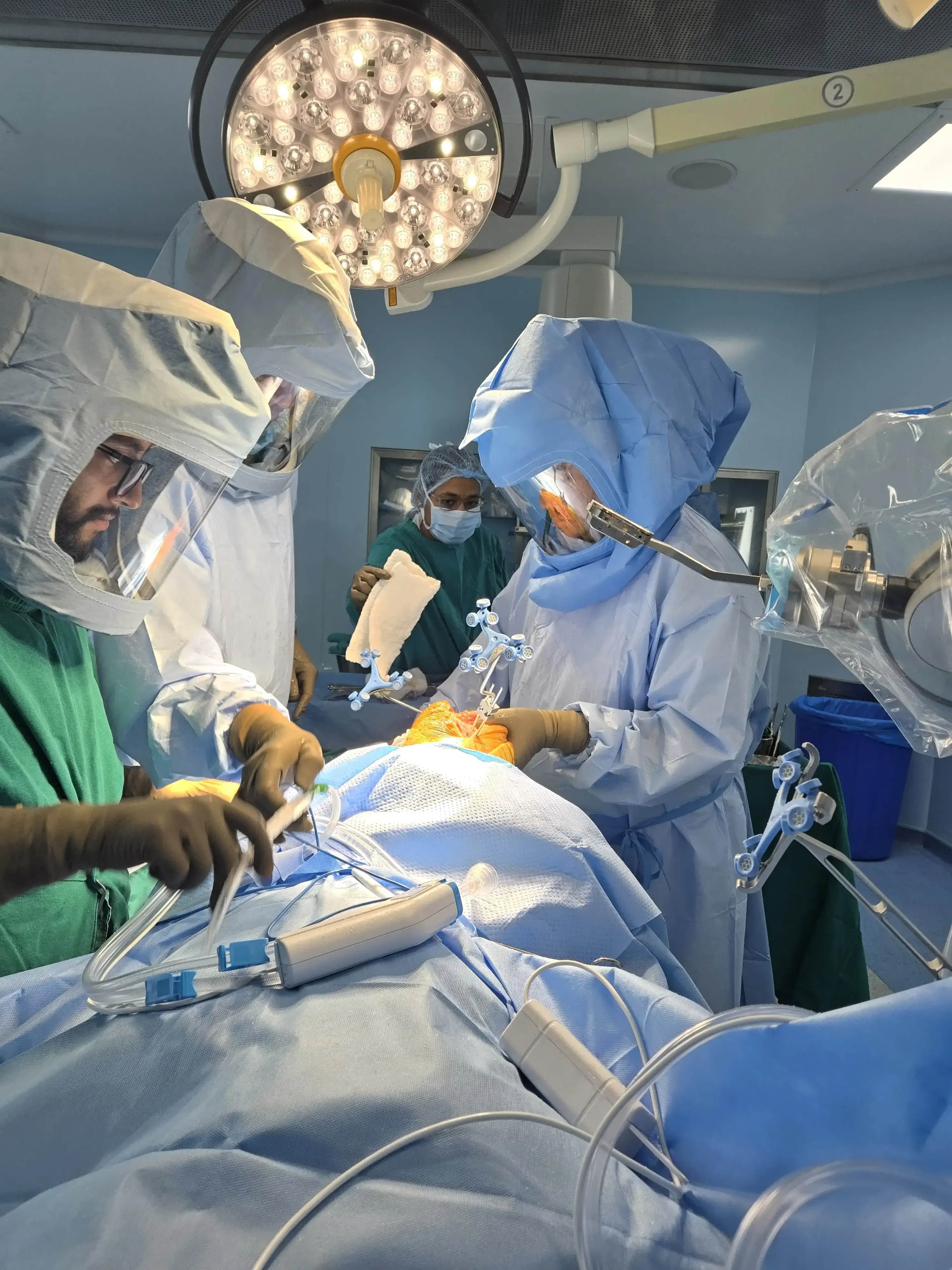
For some patients, particularly those with more advanced stages of arthritis, even the best combination of weight management, injections, and physiotherapy eventually stops providing adequate relief. At that point, total knee replacement becomes a genuinely appropriate option — not a failure of conservative treatment, but the next logical step when the joint's structural damage has progressed beyond what symptom management alone can address.
FAQs
Are there any real medical treatments that regrow cartilage? Cartilage regeneration remains an active area of research, but no widely available, reliably effective treatment currently regrows significant amounts of lost cartilage in an arthritic knee. Be cautious of clinics or products making strong regrowth claims without solid evidence behind them.
Is PRP the same as a cure for arthritis? No. PRP is a treatment aimed at reducing inflammation and improving symptoms; it is not a cure and does not reverse the underlying structural changes of arthritis. It can be a useful part of a broader management plan for some patients.
Can exercise make arthritis worse? Appropriate, low-impact exercise generally helps rather than harms arthritic knees by strengthening supporting muscles and maintaining joint mobility. High-impact activity during an active flare can aggravate symptoms temporarily, which is why guidance from a physiotherapist is valuable.
How do I know if I should try injections or move toward surgery? This depends on your arthritis stage, how well you're responding to current treatments, and how much the condition is affecting your daily life. A specialist assessment, including imaging, is the best way to get a clear, personalised answer rather than guessing.
Takeaway
Don't be misled by "cartilage regrowth" claims that aren't backed by solid evidence. Focus instead on what genuinely works: weight management, targeted muscle strengthening, and appropriate medical treatments to control symptoms and slow progression.
If arthritis is affecting your daily life, let's build a realistic, personalised management plan together. Consult Dr. Abhijit Kale to get started.
Need Expert Orthopaedic Care?
Consult Dr. Abhijit Kale, Mumbai's trusted expert in Robotic Joint Replacement & Spine Surgery. Get a personalized treatment plan today.


