16 December 2025
How Long Does a Hip Replacement Last in 2025?
With modern ceramics and plastics, how long will a hip replacement last? Learn about the 25-30 year lifespan of contemporary hip implants.

Decades ago, hip replacements were often described as a "10-year fix" — a procedure you might need to repeat once or even twice in your lifetime. That reputation has changed substantially. Advances in implant materials and surgical technique mean that a well-placed, modern hip replacement is now built to last most patients the rest of their life.
If you're weighing hip replacement surgery and wondering whether it's a decision you'll need to revisit in a decade, here's what current implants can realistically offer.
Why Longevity Has Improved So Much
Implant lifespan largely comes down to the bearing surface — the two parts of the artificial joint that move against each other with every step. Older designs used metal-on-plastic combinations that wore down relatively quickly, generating debris that could loosen the implant over time. Modern implants have addressed this with better materials and manufacturing.
Ceramic-on-Polyethylene (The Most Common Modern Choice)
A smooth ceramic ball articulates inside a highly cross-linked polyethylene (plastic) cup. This combination has an extremely low wear rate compared to older designs, and is the workhorse choice for the majority of hip replacements performed today.
Ceramic-on-Ceramic
A ceramic ball moves inside a ceramic cup, producing very low friction and minimal wear debris. This option is sometimes chosen for younger, more active patients where implant longevity is a particular priority, though it is used more selectively due to specific considerations your surgeon will discuss with you.
In general, hip replacements with modern bearing surfaces are expected to last 15 to 20 years or more in the vast majority of patients, with many well-functioning implants continuing well beyond that window.
What the Data Tells Us
Long-term studies and joint registries that track implant performance over many years consistently show that the large majority of modern hip replacements remain fully functional well past the 15-year mark, and a substantial proportion continue performing well for 20 to 25 years or longer. Exact figures vary between registries, implant types, and patient populations, so your surgeon can give you the most relevant context for your specific implant choice and health profile.
What Actually Causes a Hip Replacement to Fail?
When a hip replacement does eventually need revision, it's typically due to one of the following:
- Aseptic loosening — the bond between the implant and surrounding bone gradually weakens over many years, sometimes related to wear debris or bone quality changes over time.
- Dislocation — the ball moves out of the socket. This is uncommon with modern implant designs and surgical techniques, especially with larger femoral head sizes that improve stability.
- Infection — can occur at any point after surgery, though it remains uncommon with proper surgical technique and post-operative care.
- Fracture around the implant — usually related to a fall or significant trauma rather than the implant itself wearing out.
Factors That Influence How Long Your Hip Will Last
- Implant materials and surgical precision — accurate positioning reduces abnormal loading and wear over time.
- Body weight — higher body weight increases the mechanical stress on the bearing surfaces with every step.
- Activity level — high-impact activities (repetitive running or jumping) place more cumulative stress on the implant than low-impact activities like walking, cycling, or swimming.
- Bone quality — conditions like osteoporosis can affect how well the implant stays fixed to the bone over the long term.
- Age at surgery — younger, more active patients place more total wear on an implant over their lifetime simply because they use it more, over more years, than an older patient.
Recovery and Long-Term Function
A long-lasting implant also depends on a proper recovery. Consistent physiotherapy in the months after surgery, combined with a gradual return to activity, helps ensure the muscles around the hip support the implant correctly from the start. For a full walkthrough of what recovery looks like, see our guide on total hip replacement recovery time.
FAQs
Will I definitely need a second hip replacement someday? Most patients, especially those who have surgery in their 60s or later, will never need a revision — their first hip replacement outlasts them. Younger patients undergoing surgery in their 40s or 50s have a somewhat higher lifetime chance of eventually needing a revision simply due to more years and more cumulative use, but modern implants have significantly narrowed this gap compared to older designs.
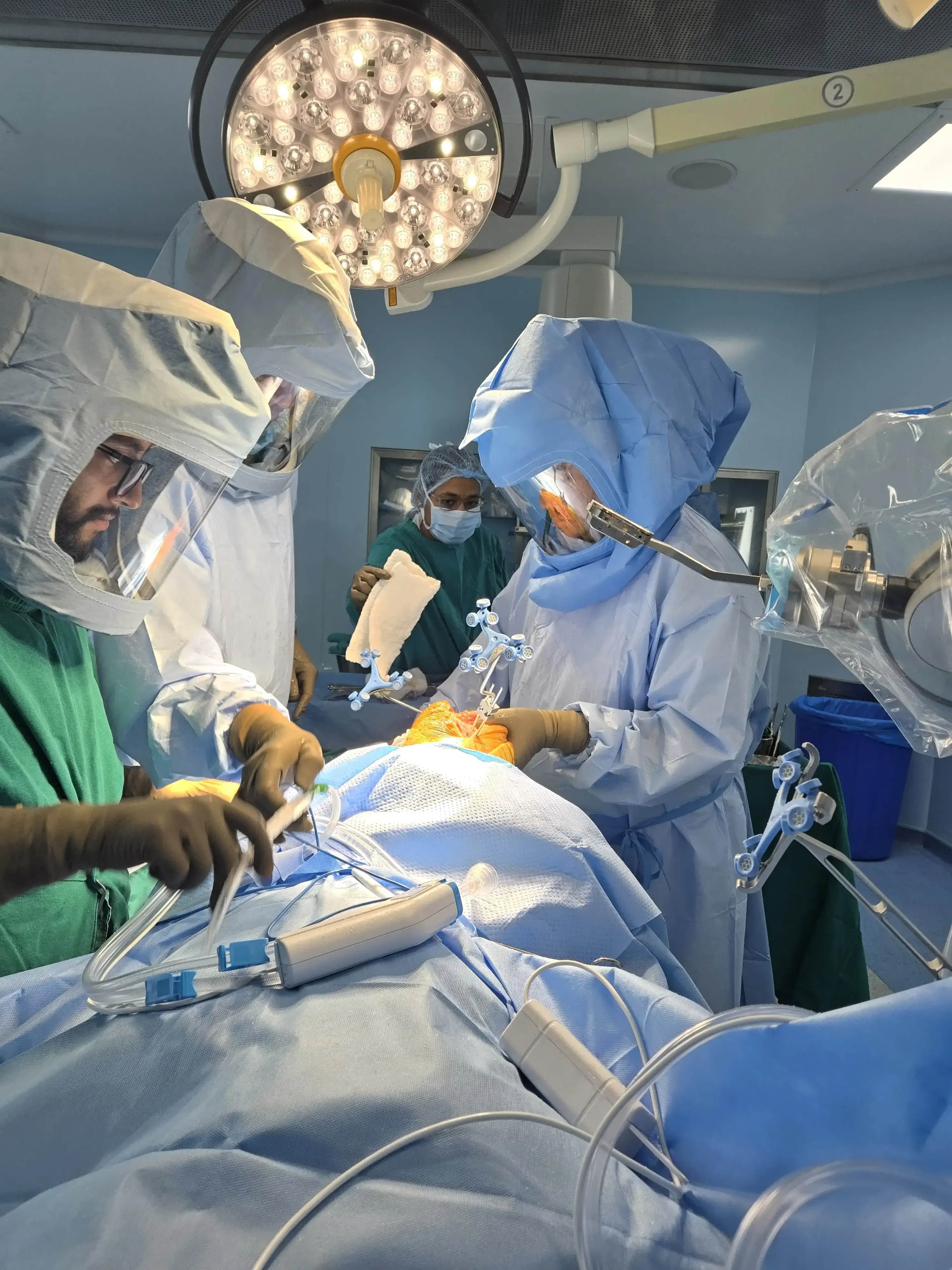
Does a robotic or more precise surgical technique help the implant last longer? Accurate implant positioning and balanced mechanics are known to reduce abnormal wear patterns, which can support longer implant survival. Precision-guided surgical techniques are one tool surgeons use to help achieve this consistently, alongside careful implant selection for each patient.
Can I still be active with a hip replacement without wearing it out faster? Yes, in most cases. Low-impact activities like walking, swimming, cycling, and golf are generally well tolerated and even encouraged for long-term joint and overall health. High-impact activities like repetitive running or contact sports are usually discouraged, as they place more cumulative stress on the bearing surfaces. Discuss your specific activity goals with your surgeon.
How do I know if my hip replacement is wearing out? Gradually returning pain, new stiffness, a change in gait, or a feeling of instability years after a previously well-functioning hip replacement are signs worth discussing with your surgeon. Routine follow-up X-rays, even when you feel well, help catch early signs of wear or loosening before they become symptomatic.
Takeaway
If you're in your 50s or 60s considering hip replacement, there's a strong likelihood that your first hip replacement will be your only one, thanks to modern implant materials and surgical precision. Choosing an experienced surgeon and a well-suited implant gives you the best possible foundation for long-term durability.
Build for longevity with a personalized implant plan. Contact us to book a consultation with Dr. Abhijit Kale.
Need Expert Orthopaedic Care?
Consult Dr. Abhijit Kale, Mumbai's trusted expert in Robotic Joint Replacement & Spine Surgery. Get a personalized treatment plan today.


