16 December 2025
Does Robotic Surgery Last Longer? The Truth About Implant Longevity
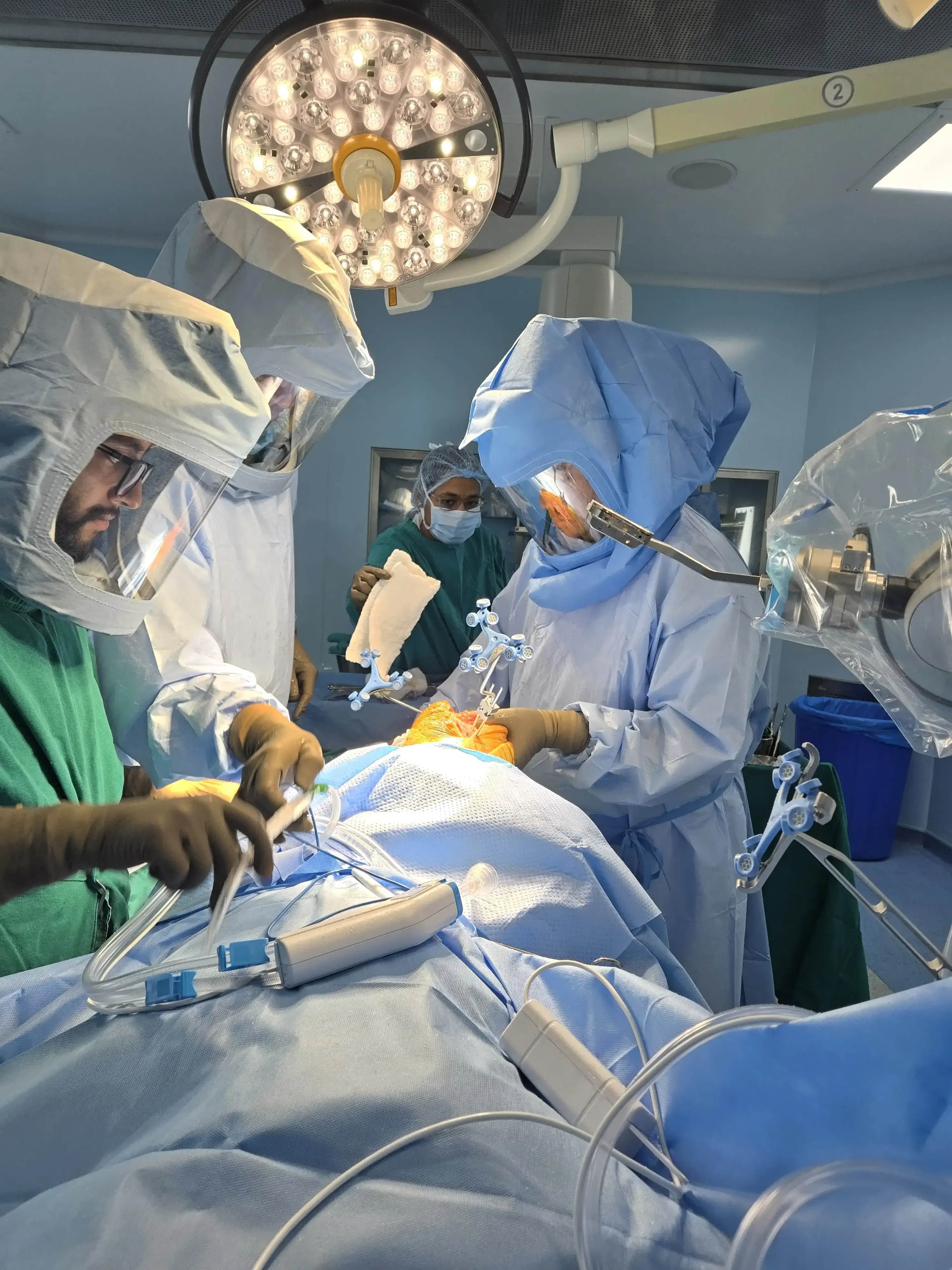
Can a robot make your knee replacement last longer? We explore the link between robotic precision, alignment, and the lifespan of knee implants in 2025.

Patients often ask: "If I pay for robotic surgery, will my knee last longer?"
While no surgeon can give a 100% guarantee, the clinical evidence and mechanical principles strongly suggest that yes, robotic-assisted knee replacements have the potential to last longer than traditional ones.
Here is the science behind why accuracy leads to longevity.
The Number One Enemy: Misalignment
The primary mechanical reason for early implant failure (loosening or wear) is misalignment.
If an implant is put in at a tilted angle:
- Point Loading: One side of the plastic spacer bears too much weight.
- Uneven Wear: That side wears down quickly, creating debris.
- Loosening: The rocking motion can cause the metal to pull away from the bone.
Robotic surgery eliminates outliers. By ensuring alignment within 0.5 degrees, it prevents the mechanical stresses that cause early failure.
The Importance of Ligament Balance
A knee that lasts 25 years isn't just about the bone; it's about the soft tissues.
If the ligaments are too tight on one side, the knee feels stiff and painful. If they are too loose, the knee feels unstable. Instability causes the patient to walk awkwardly, stressing the implant.
Robotic systems balance the ligaments dynamically during surgery. A well-balanced knee moves smoothly, reducing friction and wear over decades.
Preserving Bone Stock
Robotic surgery is often "bone-sparing." It removes only the precise amount of damaged bone needed to fit the cap.
By preserving more natural bone, we provide a better foundation for the implant. And in the unlikely event a revision is needed 25 years later, there is more healthy bone left to work with.
What Does the Data Say?
Since widespread robotic knee surgery is a relatively modern advancement (past 10-15 years), we are just now seeing long-term registry data.
However, early and mid-term studies consistently show:
- Fewer Revisions: Lower rates of early revision due to technical errors.
- Higher Satisfaction: Patients report better function scores.
- Perfect X-rays: Post-op scans consistently show ideal mechanical axes.
Other Factors That Affect Longevity
While robotic precision is huge, you play a part too:
- Weight Management: Keeping a healthy weight reduces load.
- Activity Level: Avoid high-impact sports (running/jumping).
- Infection Control: Treat dental or urinary infections promptly to prevent bacteria spreading to the knee.
Takeaway
Think of robotic surgery as an insurance policy for your knee's future.
By starting with perfect alignment and balance, you give your knee replacement the best possible chance of surviving for 20, 25, or even 30 years.
Discuss your long-term goals with Dr. Abhijit Kale today. 👉 Learn about Robotic Knee Replacement.
Need Expert Orthopaedic Care?
Consult Dr. Abhijit Kale, Mumbai's trusted expert in Robotic Joint Replacement & Spine Surgery. Get a personalized treatment plan today.


