16 December 2025
Is Knee Replacement Permanent? The Truth About Implant Longevity
Is knee replacement a permanent solution? Understand the lifespan of knee implants, the concept of a 'forever knee', and what happens if a replacement wears out.

When patients undergo total knee replacement, they often view it as a "fix it and forget it" solution. But a common question lingers:
Is knee replacement truly permanent?
The honest answer is: It is a long-term solution, but like a car tyre, it can wear out over time.
However, with the technology available in 2025, the concept of a "lifetime knee" is becoming a reality for the vast majority of patients.
How Long is "Permanent"?
While no man-made device lasts forever, modern knee replacements are incredibly durable.
- 90% of implants are still functioning well after 15 years.
- 82% of implants last 25 years or longer.
For a patient getting surgery in their late 60s or 70s, the knee replacement is effectively permanent—it will likely last for the rest of their life.
Why Do Knee Replacements Wear Out?
The "bearing" in a knee replacement is a high-tech plastic (polyethylene) spacer between metal components. Over decades of movement, this plastic can slowly wear down.
Factors that speed up wear include:
- High-impact activities: Running or jumping puts excessive stress on the plastic.
- Obesity: More weight equals more friction.
- Misalignment: If the implant wasn't put in perfectly, it wears unevenly.
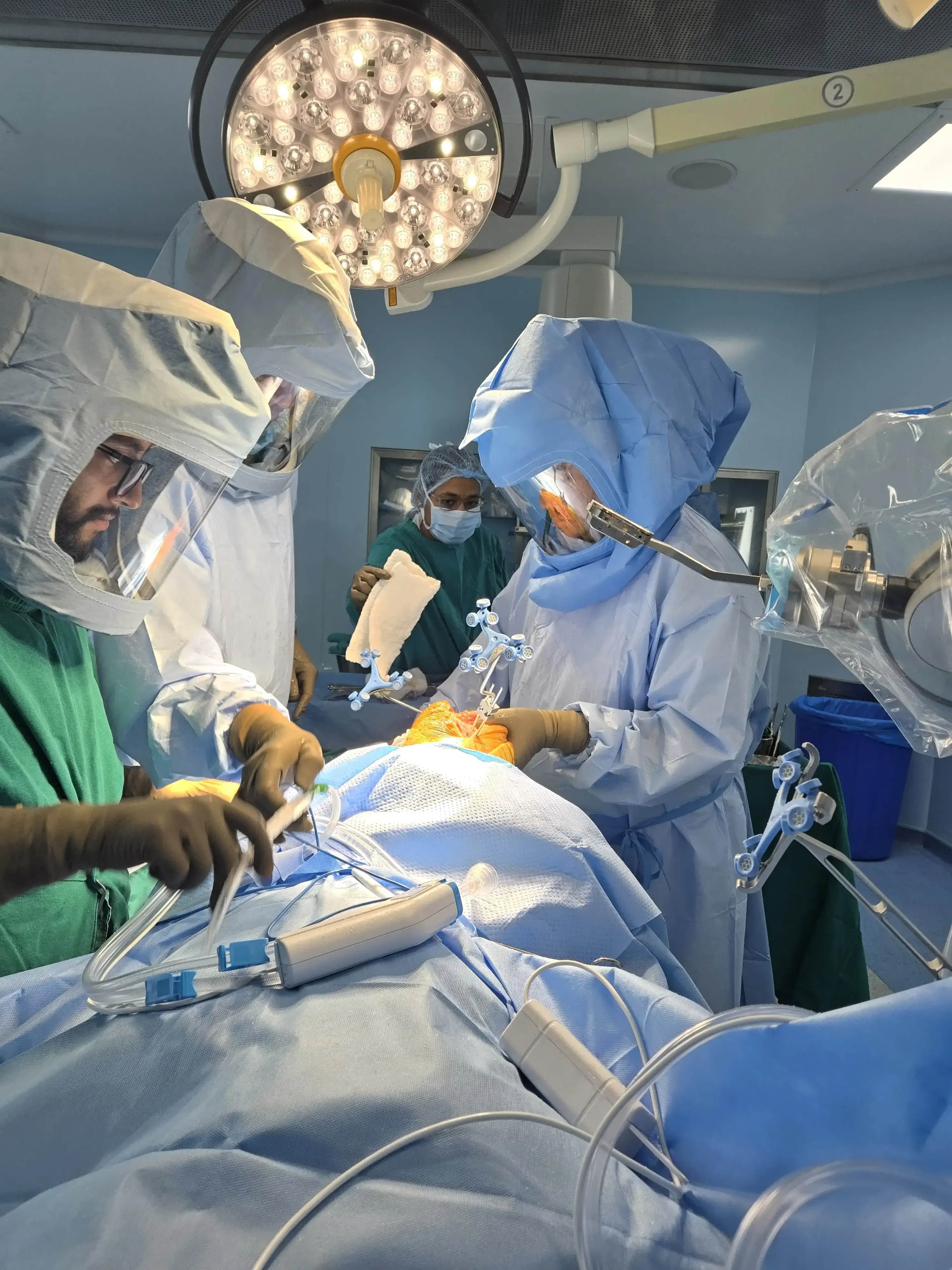
This is why Robotic Knee Replacement is a game-changer. By aligning the implant with sub-millimetre precision, we reduce wear and extend the "permanent" life of the knee.
What Happens If It Wears Out?
If a knee replacement wears out or loosens, it does not mean you are left without options.
You can undergo a Revision Knee Replacement.
- This involves removing the old components and inserting specialized revision implants.
- While more complex than the first surgery, revision surgery is highly successful in restoring function.
Can You Make Your Knee Replacement Last Forever?
You can significantly extend the life of your implant by:
- Maintaining a healthy weight.
- Choosing low-impact exercises like walking, swimming, and cycling.
- Regular follow-ups: See your surgeon every 2-3 years for an X-ray to catch any silent wear early.
- Avoiding infection: Treat dental or urinary infections promptly, as bacteria can travel to the artificial joint.
FAQs
Will I need surgery again?
If you are over 60 at the time of surgery, it is very unlikely you will need a second operation. Younger patients (under 50) have a higher chance of needing a revision eventually due to their longer life expectancy and higher activity levels.
Does the metal break?
It is extremely rare for the metal components to break. The issue is usually the plastic liner wearing out or the bond to the bone loosening.
Takeaway
While technically not "permanent" in the sense of being indestructible, a total knee replacement is one of the longest-lasting medical interventions available.
With Dr. Abhijit Kale’s expertise in robotic alignment and premium implant selection, your new knee is built to go the distance.
👉 Looking for a long-term solution? Contact Dr. Abhijit Kale for expert advice.
Need Expert Orthopaedic Care?
Consult Dr. Abhijit Kale, Mumbai's trusted expert in Robotic Joint Replacement & Spine Surgery. Get a personalized treatment plan today.


