16 December 2025
How Long Does a Knee Replacement Really Last? Lifespan, Myths, and Facts in 2025
How long does a knee replacement last in 2025? Learn the real lifespan of knee implants, factors that affect longevity, robotic knee replacement benefits, and expert answers from Mumbai orthopaedic surgeon Dr. Abhijit Kale.

One of the most common questions patients ask is simple but important:
How long will my knee replacement actually last?
With modern implants, advanced materials, and robotic-assisted precision, the answer in 2025 is far more reassuring than most people expect.
This guide breaks down real-world data, surgeon insights, and patient concerns so you can make a confident, informed decision.
How Long Does a Knee Replacement Last Today?
In most patients, a modern knee replacement lasts:
- 15 to 20 years in over 90 percent of cases
- 20 to 25 years or more with proper alignment, care, and lifestyle choices
With advances like robotic knee replacement, implant survival rates are improving further because alignment and balance are far more precise.
What Determines the Lifespan of a Knee Replacement?
A knee implant does not fail randomly. Longevity depends on several controllable and non-controllable factors.
1. Surgical Precision and Alignment
This is the single most important factor.
Poor alignment causes uneven wear, instability, and early loosening.
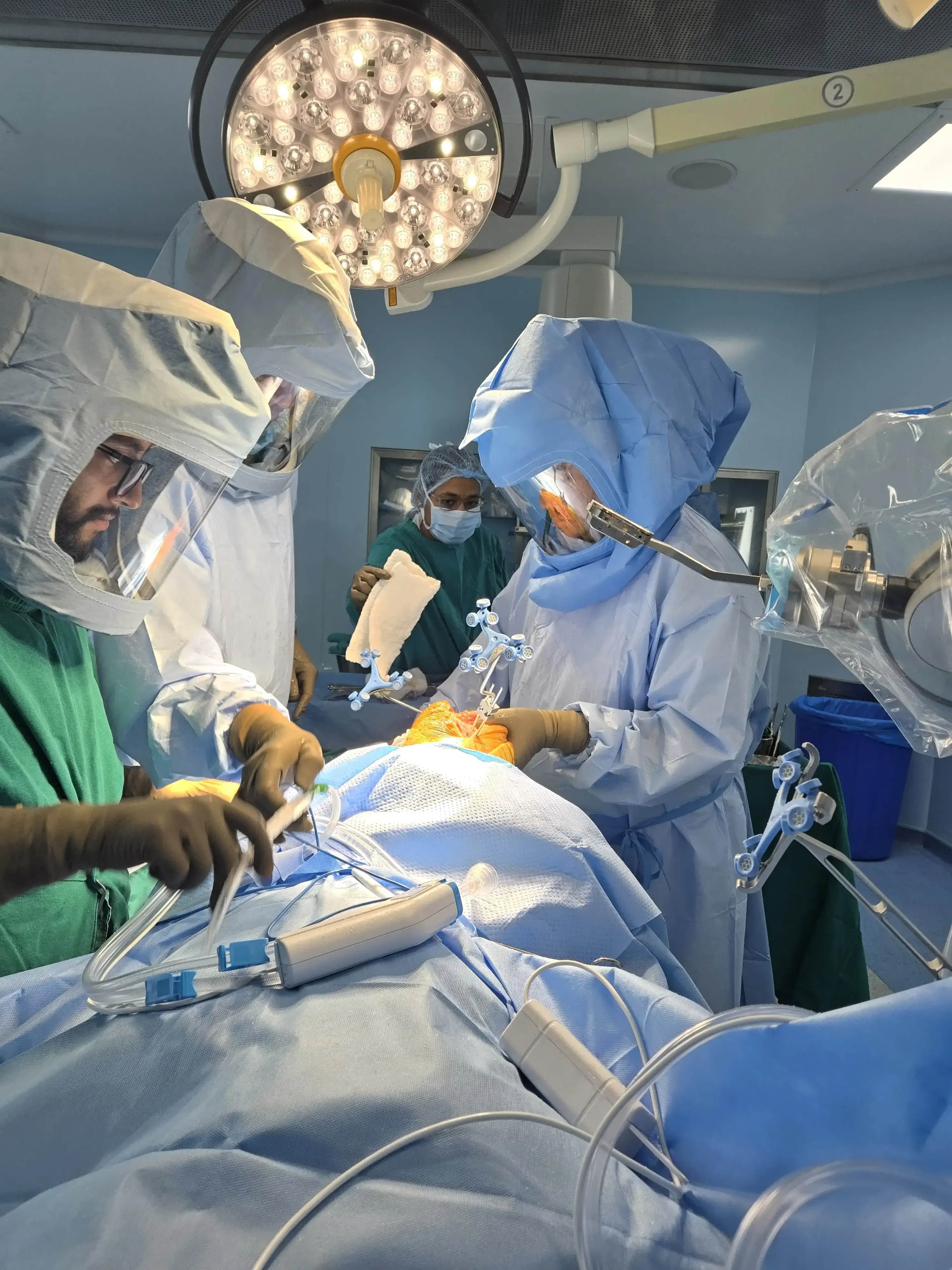
With robotic knee replacement, a 3D model of your knee is created before surgery, allowing implant positioning with sub-millimetre accuracy. This dramatically improves long-term durability.
2. Implant Material and Design
Modern knee implants use:
- Highly cross-linked polyethylene
- Advanced cobalt-chrome or titanium alloys
These materials resist wear far better than older implants used decades ago.
3. Patient Age at Surgery
Younger patients place more years of load on the implant.
However, age alone does not shorten implant life. Muscle strength, weight, and activity patterns matter more than the number on your birth certificate.
4. Body Weight and Joint Load
Excess weight increases stress on the implant.
Even modest weight reduction can significantly reduce long-term wear and improve implant survival.
5. Activity Choices After Surgery
Walking, cycling, swimming, and yoga are encouraged.
High-impact sports, running on hard surfaces, and heavy squatting increase wear and should be avoided.
Learn more about activities to avoid after knee replacement.
6. Physiotherapy and Muscle Balance
A well-aligned implant still needs strong muscles to protect it.
Patients who follow structured physiotherapy after knee replacement consistently show better long-term outcomes.
Does Robotic Knee Replacement Last Longer Than Traditional Surgery?
In many cases, yes.
Robotic systems allow:
- More accurate bone cuts
- Better ligament balance
- Restoration of natural knee mechanics
- Reduced risk of early implant loosening
While both techniques can succeed, robotic assistance reduces human variability, which is one of the main reasons implants fail early.
Read a detailed comparison of robotic vs traditional knee replacement.
Can You Outlive Your Knee Replacement?
This is a common fear, especially in patients in their 50s and early 60s.
The truth:
- Many patients never need a second surgery
- Even if revision is required, it usually happens decades later
- Modern revision techniques are safer and more predictable than before
For most patients today, the goal is a lifetime knee.
Signs a Knee Replacement Is Wearing Out
A well-functioning knee replacement should feel stable and predictable.
Possible warning signs include:
- Increasing pain after years of comfort
- Swelling that does not settle
- New instability or giving way
- Reduced walking tolerance
Regular follow-ups and X-rays help detect issues early.
What Causes Early Failure of Knee Replacements?
Early failure is uncommon but may occur due to:
- Poor alignment during surgery
- Infection
- Severe obesity
- Ignoring physiotherapy
- High-impact activities
Choosing an experienced surgeon and following post-op guidance dramatically lowers these risks.
How Long Is Recovery Compared to Implant Lifespan?
Recovery feels long but is short compared to how long your knee lasts.
Typical milestones:
- Walking within 24 to 48 hours
- Independent walking in 2 to 3 weeks
- Stair climbing within weeks
- Functional confidence by 3 months
Explore total knee replacement recovery week by week for realistic expectations.
Why Implant Longevity Is Better in 2025 Than Ever Before
Several advances have changed outcomes:
- Robotic surgical planning
- Better implant materials
- Faster mobilisation protocols
- Improved physiotherapy strategies
- Better infection control
These improvements together mean fewer revisions and longer-lasting knees.
Why Surgeon Experience Still Matters
Technology supports the surgeon but does not replace judgment.
With over 20 years of experience, Dr. Abhijit Kale combines robotic precision with deep clinical expertise to optimise implant longevity for each patient.
Learn more about knee replacement surgery in Mumbai.
FAQs: Knee Replacement Longevity
How long does a knee replacement last for an active person?
With proper activity modification and muscle strength, 20 years or more is common.
Will I need another surgery after 10 years?
Most patients do not. Many implants function well beyond 15 to 20 years.
Does robotic surgery guarantee a longer-lasting knee?
No surgery offers guarantees, but robotic precision significantly improves alignment and reduces early wear risks.
Can I sit on the floor or cross-legged after surgery?
This depends on flexibility, implant type, and rehabilitation. Discuss expectations with your surgeon.
Is revision surgery risky?
Revision surgery is more complex than first-time surgery but is very safe in experienced hands.
Takeaway
A knee replacement is not a short-term fix.
For most patients in 2025, it is a long-term solution that restores mobility, confidence, and quality of life.
With modern implants, disciplined rehabilitation, and robotic precision by Dr. Abhijit Kale, your new knee is designed to support you for decades.
👉 Book a consultation: Contact Us or visit our clinic in Dadar, Mumbai
Need Expert Orthopaedic Care?
Consult Dr. Abhijit Kale, Mumbai's trusted expert in Robotic Joint Replacement & Spine Surgery. Get a personalized treatment plan today.