16 December 2025
Robotic Knee Replacement Recovery: Is It Faster?
Curious about robotic knee replacement recovery time? Find out why patients walk sooner, feel less pain, and return to life faster with robotic-assisted surgery.

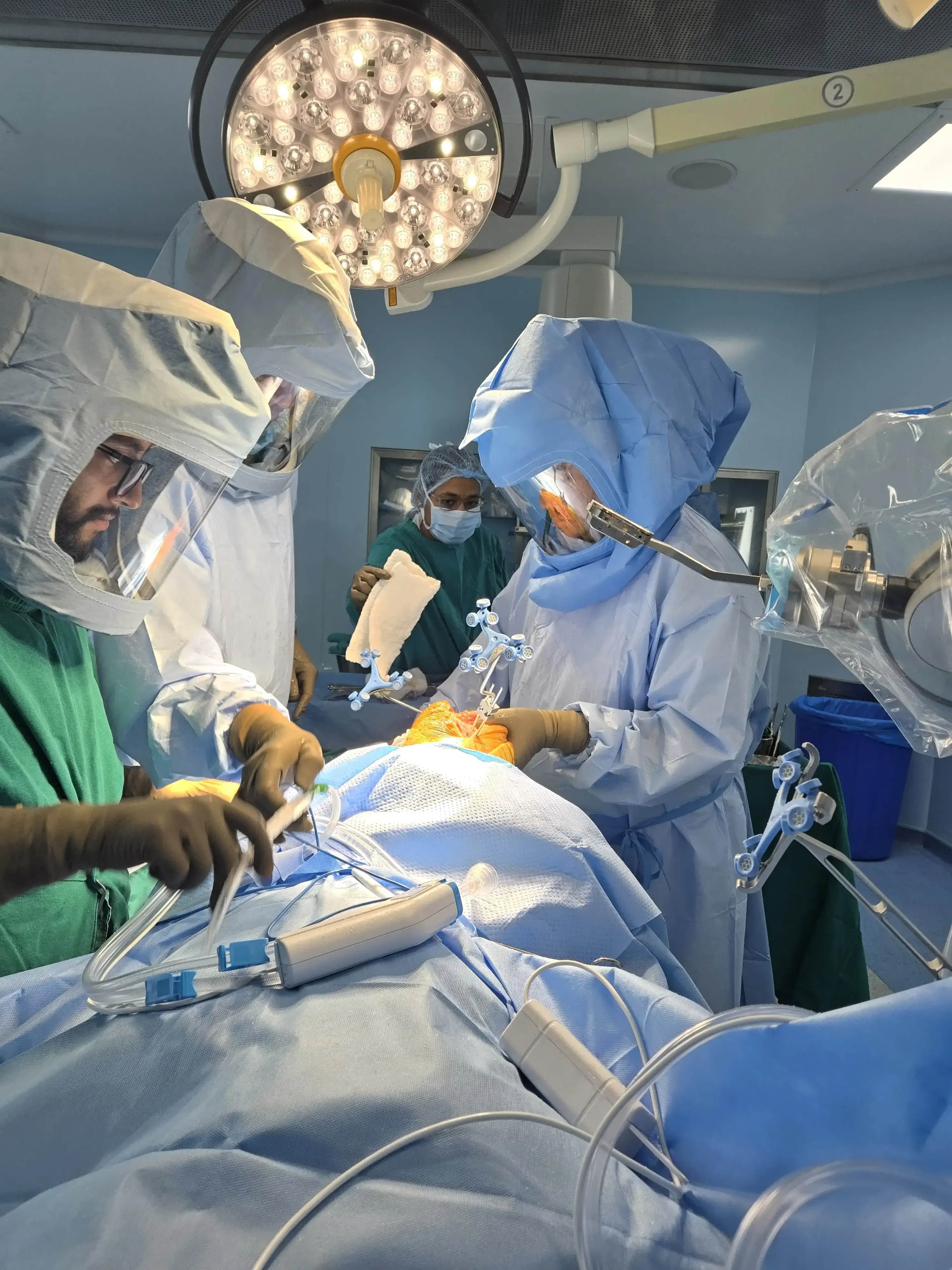
One of the biggest advantages of robotic knee replacement is the recovery experience.
While the bone healing time remains the same, the functional recovery—how quickly you can walk, bend, and live without pain—is often significantly faster with robotic surgery compared to traditional methods.
Here is what you need to know about bouncing back.
Why Is Recovery Faster?
It comes down to reduced trauma.
- No Intramedullary Rod: Traditional surgery often involves pushing a long metal rod up the hollow of the thigh bone for alignment. This causes bleeding and pain. Robotic surgery often avoids this.
- Smaller Incisions: Because the robot knows exactly where to cut, the skin and muscle incisions can often be smaller.
- Soft Tissue Preservation: The robot’s "safety zones" mean the surgeon doesn’t need to retract or cut surrounding muscles as much.
Less trauma = Less pain = Earlier movement.
Recovery Timeline: Robotic vs. Traditional
| Milestone | Traditional Surgery | Robotic Surgery |
|---|---|---|
| First Walk | 24-48 hours | Same day / 6-12 hours |
| Hospital Stay | 4-5 days | 2-3 days (some are Day Care) |
| Off Walker | 3-4 weeks | 2-3 weeks |
| Driving | 6-8 weeks | 4-6 weeks |
| Return to Work | 8-12 weeks | 4-8 weeks (Desk job) |
Note: Timelines vary by patient age and fitness.
Week-by-Week Recovery Guide
Week 1: The "Wake Up" Phase
- You will be walking with a walker.
- Pain is managed with medication.
- Robotic difference: Less swelling and thigh pain (due to no rod).
Week 2-3: Gaining Independence
- Staples/sutures are removed.
- Transitioning from walker to cane.
- Robotic difference: Better knee bending (range of motion) is often seen earlier because of less stiffness.
Week 4-6: The "New Normal"
- Walking without support around the house.
- Climbing stairs.
- Robotic difference: Many patients feel confident enough to drive (left leg or automatic) sooner.
Month 3+: Full Activity
- Return to golf, long walks, and swimming.
- The knee feels stable and "forgotten" during daily tasks.
Does It Lessen the Need for Physiotherapy?
You still need physiotherapy, but it is often easier.
Because the knee is perfectly balanced, exercises feel less like a struggle and more like strengthening. Patients often hit their flexion goals (bending the knee) faster, meaning fewer painful sessions stretching a stiff joint.
Takeaway
If you are worried about taking months off work or life, robotic knee replacement offers the best chance for a rapid return to activity.
While biology still takes time to heal, technology makes the journey smoother and less painful.
Ready to get back on your feet? 👉 Consult Dr. Abhijit Kale for a recovery plan tailored to you.
Need Expert Orthopaedic Care?
Consult Dr. Abhijit Kale, Mumbai's trusted expert in Robotic Joint Replacement & Spine Surgery. Get a personalized treatment plan today.


