16 December 2025
Effective Treatments for Lower Back Pain: From Home Remedies to Surgery
Lower back pain is common but treatable. Discover the best treatments for back pain, including posture correction, core strengthening, and medical options.

Lower back pain is one of the most common reasons adults visit a doctor, and for most people it is not caused by anything alarming — it's usually mechanical, meaning it comes from muscles, joints, or ligaments rather than a serious structural problem.
The reassuring part: most lower back pain improves with simple, structured self-care rather than surgery. This guide walks through the treatment ladder we actually use in clinic, from the first 48 hours to when it's time to consider more advanced options.
Step 1: The First 48 Hours
If your back suddenly "goes out," what you do in the first two days matters:
- Avoid prolonged bed rest: Lying flat for days weakens the muscles that support your spine and can slow recovery. Rest for a day, then start gentle movement.
- Ice, then heat: Ice packs help with inflammation in the first 48 hours; switch to heat afterward to ease muscle spasm.
- Sleep positioning: Lying on your side with a pillow between your knees keeps the spine in a more neutral, less strained position.
Step 2: Rebuild the Core (Physiotherapy)
Your lower back is supported by a "core" of abdominal and back muscles. When these are weak or deconditioned, the spine absorbs load it isn't designed to handle alone.
- Planks and bridges: Simple exercises that build the natural muscular "corset" around the spine
- Guided home exercises: A structured program, ideally set by a physiotherapist, is far more effective than generic stretching
- Ergonomics: Desk height, chair support, and screen position all matter — many cases of chronic low back pain are aggravated by hours of poor sitting posture
- Physiotherapy: For pain that persists beyond the acute phase, a supervised program addressing posture, flexibility, and strength together gives the best long-term results
Step 3: Medical Management
When pain doesn't settle with movement and physiotherapy alone, medical treatment can help break the cycle of pain and muscle spasm:
- Anti-inflammatory medication: Reduces inflammation around irritated joints and discs
- Muscle relaxants: Short-term use to ease acute spasm
- Joint injections: Epidural steroid injections are considered for pain that radiates down the leg from nerve compression, rather than for simple muscular back pain
When Back Pain Points to Something More Specific
Not all lower back pain is the same, and treatment differs depending on the underlying cause:
- If pain shoots down one leg with numbness or tingling, this is a nerve-related pattern — see our guide on sciatica causes for what's actually happening.
- If imaging shows a bulging or herniated disc, the treatment approach follows a specific ladder — covered in detail in slip disc treatment options.
- If pain has been unrelenting for months despite consistent treatment, or comes with red-flag symptoms, it's worth reading when back surgery is needed to understand where the line actually sits.
Step 4: Surgery — Reserved for Structural Problems
Surgery is not a first-line treatment for ordinary lower back pain. It becomes relevant only for specific structural issues such as:
- A herniated disc pressing on a nerve that hasn't responded to conservative care
- Spondylolisthesis (a vertebra slipping out of alignment) causing instability
- Spinal stenosis narrowing the canal and compressing nerves
When surgery is genuinely needed, minimally invasive spine surgery techniques are often used to reduce muscle trauma and speed recovery compared to older open approaches.
FAQs
How long should I wait before seeing a doctor for lower back pain? If pain is mild and improving with rest and gentle movement, a week or two of self-care is reasonable. See a doctor sooner if pain is severe, radiates down a leg, or is accompanied by numbness, weakness, or fever.
Is bed rest good for lower back pain? No — prolonged bed rest is now known to slow recovery by weakening supporting muscles. A day of rest is reasonable, but gentle movement should resume as soon as tolerable.
Do I need an MRI for lower back pain? Not usually as a first step. Most mechanical back pain is diagnosed clinically. An MRI becomes useful when pain radiates down a leg, persists beyond several weeks, or when surgery is being considered.
Can core exercises really prevent back pain from coming back? Yes, in most cases. A strong core reduces the load on spinal joints and discs during everyday movement, which is why structured physiotherapy is one of the most effective tools for preventing recurrence, not just treating an acute episode.
Takeaway
Motion is generally better than rest for lower back pain — a stiff, deconditioned back tends to hurt more, not less. Start with posture correction, gentle movement, and core strengthening; escalate to medical management or injections only if needed; and treat surgery as a last resort reserved for clear structural problems.
If your back pain isn't improving with self-care, or it radiates into a leg, don't guess — get it properly evaluated. Book a consultation with Dr. Abhijit Kale to identify the exact cause and the right treatment for it.
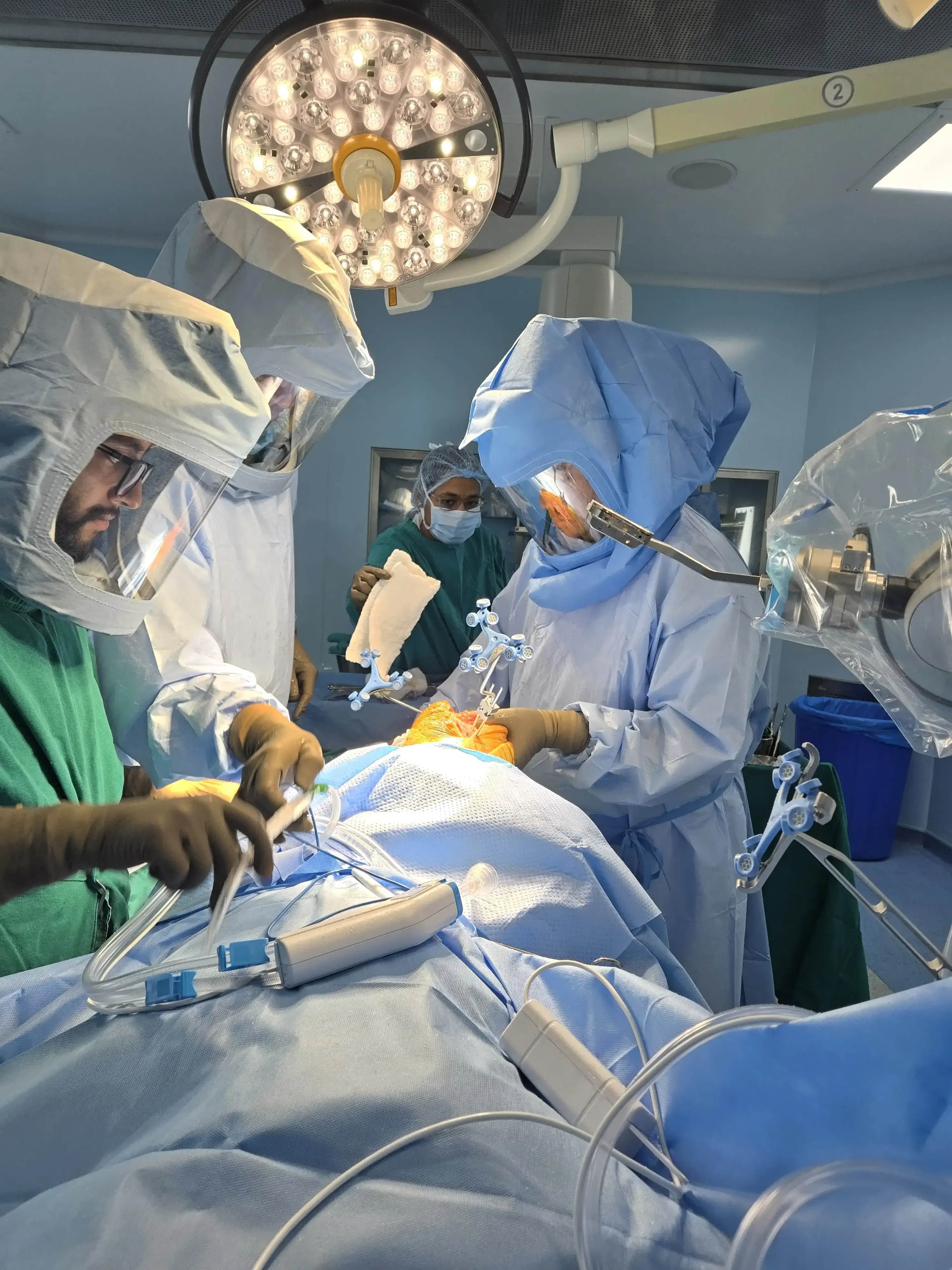
Need Expert Orthopaedic Care?
Consult Dr. Abhijit Kale, Mumbai's trusted expert in Robotic Joint Replacement & Spine Surgery. Get a personalized treatment plan today.


