16 December 2025
Knee Pain Causes and Treatment: A Complete Guide for Relief
Suffering from knee pain? Discover the most common knee pain causes, effective home treatments, and medical options to get you moving again.

Knee pain is one of the most common orthopaedic complaints, affecting people of all ages. Whether it’s a sharp twinge while running or a dull ache that keeps you up at night, understanding the cause is the first step to finding relief.
This guide breaks down why your knee hurts and how to treat it.
Common Causes of Knee Pain
Knee pain generally falls into two categories: Acute Injuries and Chronic Conditions.
1. Acute Injuries (Sudden Pain)
- Ligament Tears (ACL/MCL): Often caused by sudden twisting or sports injuries.
- Meniscus Tear: Tearing of the shock-absorbing cartilage, usually from twisting while bearing weight.
- Fractures: Breaks in the kneecap (patella) or other bones due to falls or collisions.
- Tendinitis: Inflammation of the tendons (like Jumper’s Knee) from overuse.
2. Chronic Conditions (Gradual Pain)
- Osteoarthritis: The "wear and tear" arthritis where cartilage breaks down over time.
- Rheumatoid Arthritis: An autoimmune disease causing joint inflammation.
- Bursitis: Inflammation of the small fluid sacs (bursae) that cushion the knee.
- Chondromalacia Patella: Softening of the cartilage under the kneecap, common in runners ("Runner's Knee").
Immediate Home Treatment (The R.I.C.E. Method)
For minor injuries or flare-ups, start with R.I.C.E.:
- Rest: Avoid putting weight on the painful knee.
- Ice: Apply ice packs for 15-20 minutes every few hours to reduce swelling.
- Compression: Use an elastic bandage to control swelling (not too tight!).
- Elevation: Prop your leg up on pillows above heart level.
Medical Treatments
If home remedies don't work, medical intervention may be needed:
1. Medications
- Anti-inflammatory drugs (NSAIDs) to reduce pain and swelling.
- Analgesics for pain relief.
2. Physiotherapy
Strengthening the muscles around the knee (quadriceps and hamstrings) acts as a natural brace, taking pressure off the joint. Learn more about physiotherapy.
3. Injections
- Corticosteroids: Powerful anti-inflammatories for short-term relief.
- Hyaluronic Acid (Gel): Lubricates the joint.
- PRP (Platelet-Rich Plasma): Uses your own blood to promote healing.
4. Surgery
When conservative treatments fail:
- Arthroscopy: Keyhole surgery to repair tears.
- Knee Replacement: For severe arthritis where the joint is damaged beyond repair.
When to See a Doctor
Do not ignore knee pain if:
- You cannot bear weight on the leg.
- The knee is noticeably swollen or deformed.
- You have a fever (sign of infection).
- The pain is severe and doesn't improve with rest.
- The knee "locks" or gives way.
Takeaway
Knee pain is a signal from your body. While rest helps minor issues, persistent pain requires expert evaluation. Early diagnosis can often prevent surgery.
Get to the root of your pain. 👉 Consult Dr. Abhijit Kale for a diagnosis.
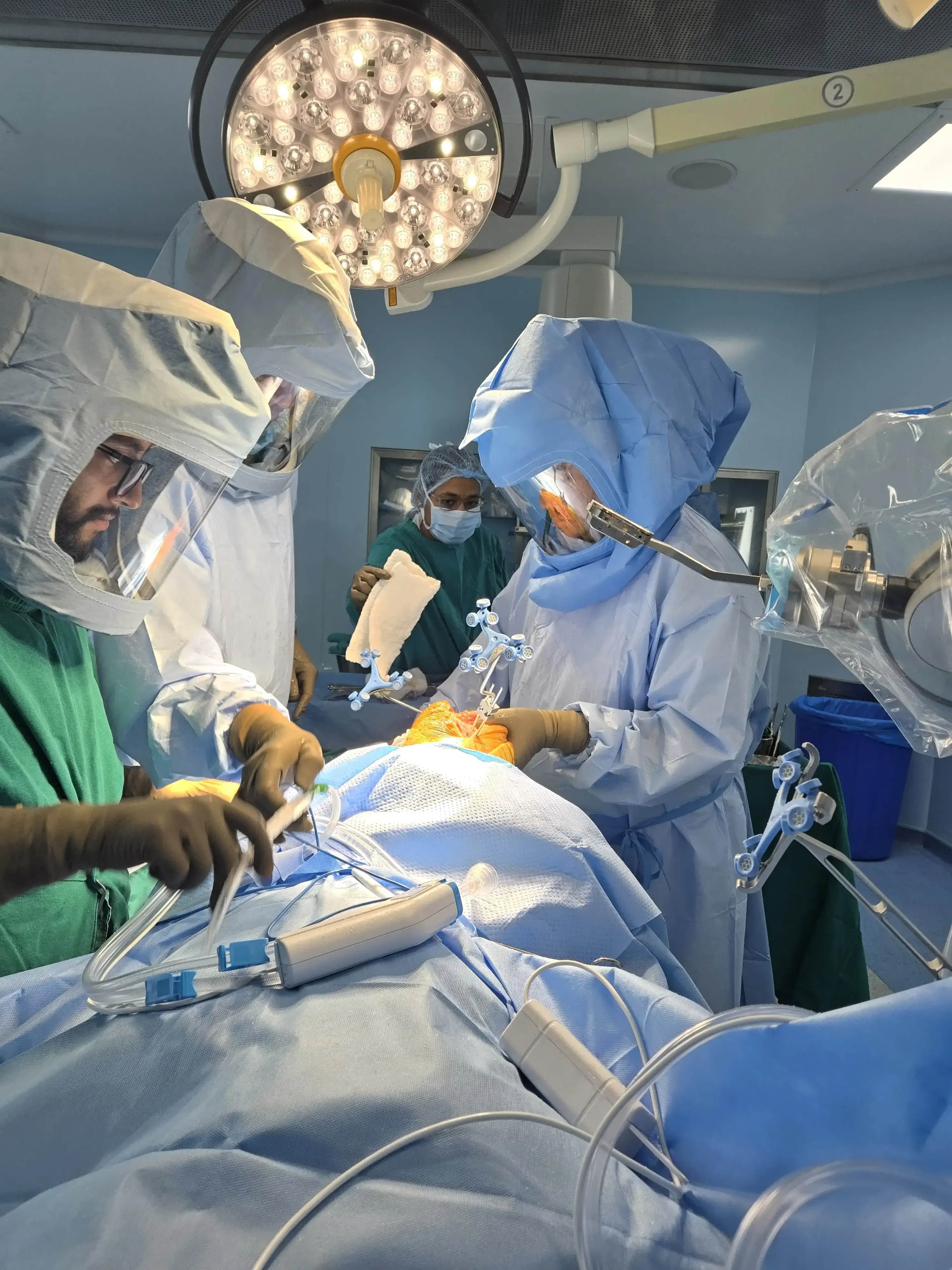
Need Expert Orthopaedic Care?
Consult Dr. Abhijit Kale, Mumbai's trusted expert in Robotic Joint Replacement & Spine Surgery. Get a personalized treatment plan today.


