16 December 2025
How Long Do I Need Physiotherapy After Surgery?
Recovery takes time. Learn the typical physiotherapy timeline after joint replacement surgery, from hospital rehab to returning to sports.

"When can I stop seeing the physiotherapist?"
It's one of the most common questions after joint replacement surgery, and the honest answer depends on your goals. Do you simply want to walk to the bathroom unaided, or do you want to get back to hiking, gardening, or playing with your grandchildren without a second thought? Physiotherapy is what bridges the gap between those two outcomes, and the timeline reflects that.
The Phases of Rehabilitation
Phase 1: The First Two Weeks (Inpatient and Early Home Recovery)
Goal: Safety, reducing swelling, basic walking, and transferring in and out of bed independently.
Sessions are typically daily during this phase. Your physiotherapist focuses on gentle range-of-motion exercises, ensures you can safely navigate stairs using a walker or crutches, and works to get your joint moving early to prevent stiffness and reduce the risk of deep vein thrombosis (DVT).
Phase 2: Weeks 2–6 (Outpatient Clinic)
Goal: Building range of motion (typically working toward 90+ degrees of bend) and progressively weaning off the walker.
Sessions usually reduce to two or three times per week. This phase introduces more resistance work, balance retraining, and targeted strengthening of the muscles surrounding the joint — quadriceps and hamstrings for a knee replacement. Most patients transition from a walker or crutches to a single cane during this window.
Phase 3: Weeks 6–12 (Strengthening)
Goal: Building genuine muscle strength, mastering stairs confidently, and returning to normal daily activities.
Sessions typically drop to once or twice a week, supplemented by a growing home exercise program. Agility work and heavier resistance training are emphasised, and many patients begin low-impact activities like stationary cycling, swimming, or brisk walking. Functional exercises are often tailored to mimic your specific day-to-day work or hobbies.
Phase 4: Month 3 and Beyond (Maintenance)
Most patients "graduate" from formal physiotherapy around this point, continuing exercises independently at home or the gym. Regular walking, ongoing stretching, and maintaining a healthy weight become lifelong habits that help preserve the longevity of the new joint — see our guide on daily walking for knee health for ideas on keeping this going long-term.
What Can Change Your Timeline
While the phases above reflect a typical progression, every patient's recovery trajectory is genuinely individual. Several factors commonly influence how quickly you move through them:
- "Prehab" (pre-operative physiotherapy). Patients who engage in targeted strengthening and conditioning before their operation often experience faster recoveries. Prehab essentially trains your muscles and nervous system to "remember" how to move well, helping them bounce back more quickly after surgery.
- Adherence to a home program. The time spent with a physiotherapist is only a fraction of the total rehabilitation work. Dedicated, daily stretching and strengthening at home has a substantial impact on how quickly you recover — arguably more than the clinic sessions themselves. See our home exercises after knee surgery guide for a starting routine.
- Overall medical health and age. Co-existing conditions and general fitness prior to surgery naturally influence how quickly tissue heals and strength returns.
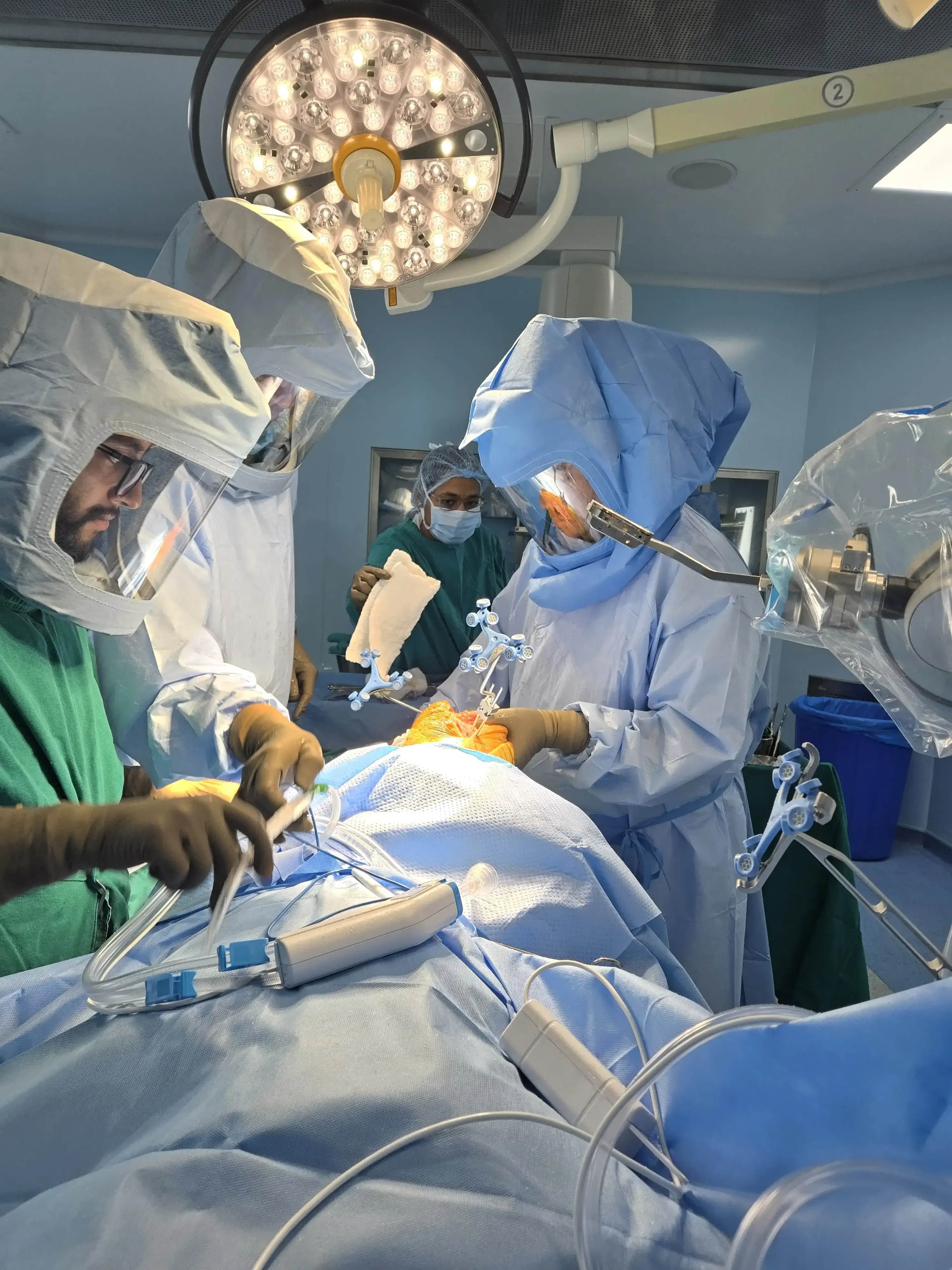
- Surgical technique. Patients who undergo tissue-sparing procedures such as robotic knee replacement or minimally invasive hip surgery often reach early rehab milestones sooner, thanks to reduced soft-tissue trauma during the operation itself.
Signs You May Need Physiotherapy for Longer
Not every patient follows the same three-month arc. It's reasonable to continue formal physiotherapy beyond the typical timeline if you notice:
- Persistent stiffness that isn't gradually improving with your home program
- Ongoing weakness that limits stairs, longer walks, or getting up from low chairs
- A limp or altered gait pattern that hasn't resolved despite consistent effort
- Specific functional goals — such as returning to a sport — that require more advanced, supervised training
There's no shame in needing extended physiotherapy. Every recovery is different, and pushing through independently when you're genuinely still struggling often slows progress rather than speeding it up.
FAQs
Is three months of physiotherapy a hard rule? No — it's a common general guide, but individual timelines vary considerably based on your starting fitness, the complexity of your surgery, and how consistently you do your home exercises. Some patients need less time, others benefit from continuing longer.
Can I stop physiotherapy once the pain goes away? Pain relief often comes before full strength and range of motion return, so stopping too early based on pain alone can leave you with lingering weakness or stiffness. It's best to let your physiotherapist confirm you've met your functional goals before finishing formal sessions.
Do I need physiotherapy for both knee and hip replacements? Yes, both procedures benefit from structured rehabilitation, though the specific exercises and milestones differ. The general phased approach — early mobility, then range of motion, then strengthening — applies to both.
What happens if I skip physiotherapy altogether? Skipping physiotherapy significantly increases the risk of stiffness, prolonged weakness, and a slower, less complete recovery. Even patients who feel they're "doing fine" on their own typically achieve better long-term function with guided rehabilitation.
Takeaway
Plan for roughly three months of structured rehabilitation as a general guide — a relatively short season in exchange for a lifetime of better movement. Committing to both in-clinic sessions and consistent home exercises builds the strongest foundation for returning to the active life you want.
Have questions about your own physiotherapy timeline? Contact us to discuss a personalised rehabilitation plan with our team.
Need Expert Orthopaedic Care?
Consult Dr. Abhijit Kale, Mumbai's trusted expert in Robotic Joint Replacement & Spine Surgery. Get a personalized treatment plan today.


